Project Hail Mary — A Sci-Fi Geek's Honest Take
Andy Weir's Project Hail Mary is both rigorous and genuinely warm. The movie just arrived. Here is how both hold up.
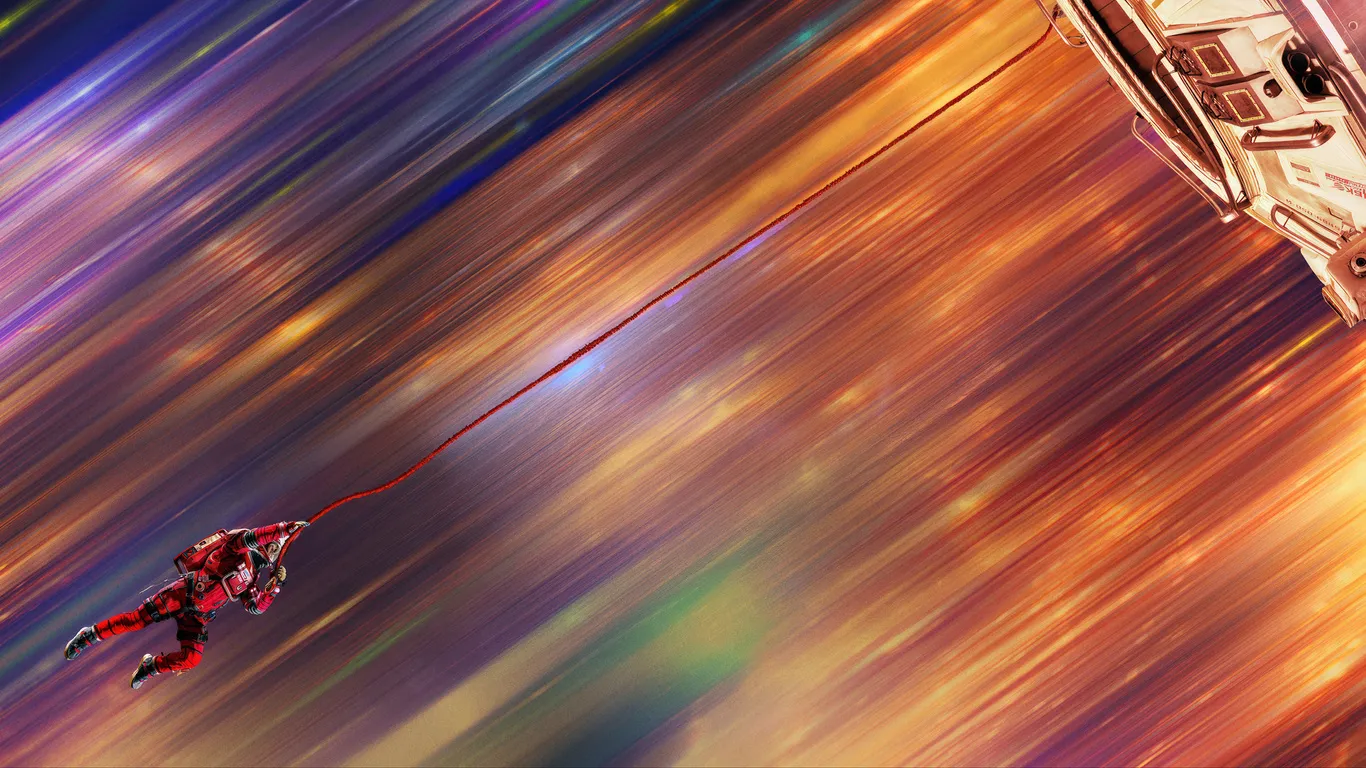
The Book
Grace wakes up alone, light-years from Earth, with no memory of how he got there. That is where the book starts. It does not slow down from there.
Andy Weir pulled off something that should be impossible — a story rigorous enough to satisfy your inner scientist and warm enough to make you genuinely emotional about a five-legged rock creature.
Grace wakes up mid-mission with amnesia. He figures out he is the sole survivor of his crew, and slowly reconstructs that he is carrying the entire weight of human survival — light-years from Earth. The dual-timeline structure — present Grace piecing things together on the ship, flashbacks showing how the plan came together — works better than I thought possible.
Something else.
The science is genuinely the real deal. Weir keeps the physics honest — nothing happens fast over interstellar distances, and the engineering constraints actually shape the plot rather than just sit in the background looking impressive. Astrophage as a concept is elegant in the best sci-fi tradition — simple enough to grasp immediately, deep enough to build an entire thriller around. It never feels like a textbook, but the homework is clearly done.
What really stuck with me is how Weir structures Grace’s rediscovery. He wakes up not knowing where he is or why. Every answer opens a new question. The same astrophage that is killing the sun turns out to be the only thing that could power a ship this far from Earth. The problem and the solution are the same organism. That is a genuinely elegant piece of storytelling — and the book earns it through science, not convenience.
The book does ask you to accept one fairly large shortcut. The speed at which Grace and Rocky build a shared language is notably abbreviated. You forgive it almost immediately. Because Rocky is not a cliché alien. He is an engineer from a completely different biology who approaches every problem the same way Grace does — systematically, curiously, and with zero patience for giving up. Two scientists from different worlds nerding out together to save both their species is one of the most enjoyable things I have read in recent memory.
The Movie
The film just came out and — look, it is good. It is genuinely enjoyable. But it is a different beast than the book, and it is worth knowing that going in.
Where The Martian played as a tense drama with wit sprinkled in, this one goes full comedy — more intergalactic buddies than lone-survivor thriller. The humor lands. The warmth is real. But they occasionally tip so far into crowd-pleaser mode that the material loses some of its weight.
Gosling is better than I expected, and I say that as someone surprised by the casting. On Earth, he plays Grace as genuinely anxious and out of his depth — reluctant in a way that actually matches the character. That is the Grace from the book. The issue is once he is on the ship, that nervousness quietly disappears and he becomes a bit more effortlessly capable than he should be. Book-Grace’s competence always felt desperate and earned. Movie-Grace sometimes just… figures it out.
Rocky, though, is a genuine achievement and honestly the best argument for seeing this in a theater. He is a fully practical puppet — built by legendary creature designer Neal Scanlan and performed on set by a team of puppeteers in every single scene with Gosling. That decision to go practical instead of CG pays off in a huge way. There is physical weight and presence to Rocky that you simply cannot fake digitally, and it is a big reason the friendship actually lands emotionally.
Where the film stumbles is in its ambition. The ending is longer than it needs to be. The final act reaches further than the book did — details left to imagination end up on screen, and the film is weaker for showing them. There is a perfect emotional beat near the finish line, and the movie just keeps going past it.
It respects the source material and gets the heart of it right. The book is still the definitive experience. Read the book first, then see the movie and appreciate what they pulled off.
For feedback, ping me on Mastodon@tuck@fosstodon.org.